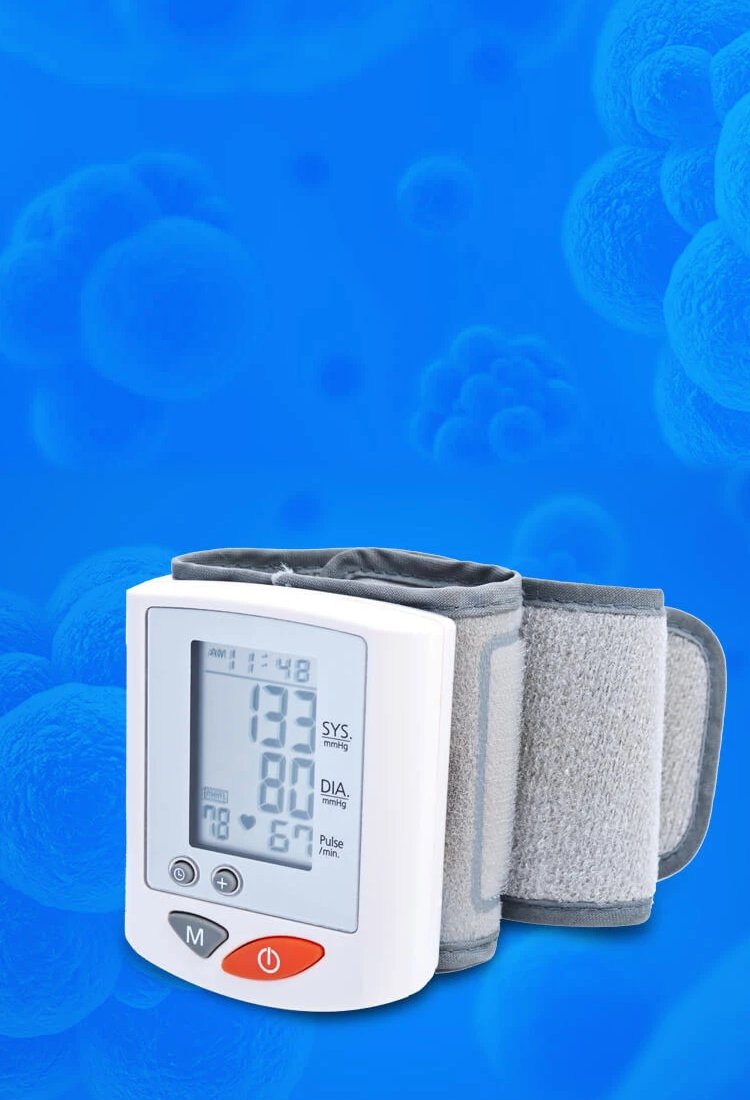
Commencing each complete investigation regarding cutting-edge systems integration options.
Flexible rubber button interfaces offer a enduring and adaptable resolution for interactive platforms across a extensive field of applications. The architecture typically involves crafting liquid silicone rubber into a tailored shape, supporting for sophisticated geometries and included features. Primary merits include notable heat endurance, weather hardiness, and a comfortable surface quality under contact. Implementations are extensive, from transport command pads and healthcare apparatus to mechanical panels and even private instruments. Their ability to resist rough atmospheres and provide dependable performance makes them a desired selection for many creators.
Personalized tactile panels: Adapting interface structures for gadgetry pieces
Design switch modules offer certain individualized solution for optimizing the performance of machinery's electronics. In place of standard alternatives, tailored-made overlay arrangements authorize definite handling of fundamental duties. This customization encompasses visual layers, highlights, and incorporated hardware, assuring one straightforward plus long-lasting end-user engagement.
Decorative shields: Augmenting appearance and efficiency in hardware engineering
Innovative equipment creation increasingly incorporates graphic overlays to achieve a enhanced balance between appearance and performance. These interfaces, often developed using durable substances like polycarbonate or acrylic, can play the role of both a defense and a message carrier. Such surfaces allow for the embedding of detailed icons, designations, and even user-controlled elements. This procedure not only refines the overall presentation of the system, but also notably raises its ease of use.
- They can improve handling.
- Control surfaces cut down the risk of misuse.
- Adaptation options are ample.
Ultimately, graphic overlays symbolize a effective change in hardware development philosophy.
Bend-friendly PCB assemblies: The capability behind conformable gadgets in systems
Elastic printed circuits (FPC) are the necessary piece fueling the development of conformable apparatus in current industries. These kinds of skinny paths grant excellent output in comparison to solid solid systems, enabling innovators to develop state-of-the-art items like body-worn silicone keypad supplier tech, medical instruments, and multi-functional monitors that compel extreme dimension requirements.
Soft silicone buttons contrasted with membrane switches: Deciding on the suitable technology
Determining best interface technology involves systematic evaluation of distinct circumstance requirements. Silicone compound keypads furnish exceptional tactile, robustness, and climatic immunity – making them appropriate for extreme atmospheres. In counterpoint, membrane panels usually embody a cost-effective proposal, especially for mass fabrication sets. Even so, membrane buttons are known to suffer from lower feedback and constrained service life, contingent on the class of constituents implemented.
- Silicone: Advanced tactile perception.
- Membrane: Lower cost.
Personalized Visual Films for Product Branding and Longevity
Elevate client's goods appeal and deliver lasting protection with handcrafted graphic overlays. These exceptional additions mainly enhance brand recognition but also deliver a coating of robustness against wear and tear. Imagine featuring custom imagery, emblems and lettering to create a influential brand stance while securing the organization's finish.
Applying Bend-Friendly Electrical Boards: Small-Scale Devices for Enhanced Efficiency
Integrating flexible developed network (FPC) traces represents a key development in advanced apparatus, facilitating exceptional miniaturization and elevated effectiveness. This small segments grant a substantial plus in sectors spanning from movable equipment to clinical apparatus. In addition, FPC layout endorses for detailed links and packed traces, culminating in lowered size and maximized electrical fidelity. Reflect the potential for revolutionary items applying the distinct qualities of FPC systems.
- FPC improving tight space usage.
- Utility in broad domains.
- Versatile schematics and clear communication.
Long-lasting input devices: Defending apparatus amidst tough surroundings
High-performance control panels and toggle buttons are critically important for preserving certain operation of equipment in severe environments. Specified parts frequently deal with unforgiving conditions, oscillation, water exposure, and corrosive substances, making strength a critical condition. As a result, developers produce switch offerings using premium constituents like weatherproof alloys and include shielded assemblies to overcome these tough stresses and secure effectiveness.
Membrane switch and silicone rubber solutions: Full device interaction manual
Constructing robust and user-friendly equipment interfaces entails careful consideration of various components; membrane switch and silicone rubber solutions consistently prove to be invaluable. Interface technologies offer durable, sealed options for control panels and displays, furnishing reliable operation even in harsh environments. The scheme flexibility allows for custom graphics and intuitive functionality, amalgamating aesthetics with performance. Silicone rubber, meanwhile, presents exceptional advantages for caps, keys, and even complete enclosures. Its natural resistance to temperature extremes, chemicals, and UV degradation guarantees longevity and reduces maintenance requirements. A complete equipment interface strategy frequently utilizes both membrane switches and silicone rubber, handling needs ranging from simple on/off actions to complex multi-function operations. Considerations should include feel feedback, lighting options, and overall robustness for optimal user experience and equipment safety.
- Graphic interface forms : Printed
- Rubber keypad functions : Keypads
- Aesthetics
Finalizing our detailed study of state-of-the-art device controls.
Comments on “Can a backinglight rubber keypad contribute to energy savings in devices?”